A Seasonal Guide to Using Linen in a British Home
A Seasonal Guide to Using Linen in a British Home
Linen does not have a season so much as a temperament, and the British year gives it plenty to work with. A damp April, a hot fortnight in July that arrives without warning, a long grey stretch in February — the same cloth can feel like the wrong choice one week and the only sensible one the next. The answer is rarely to buy more of it. It is to rotate what you already own, so that bedding, table linens, curtains and clothes all earn their keep at different points in the calendar.
Think of linen as a colleague rather than a decoration. It is breathable, quick-drying and slightly rumpled by nature, which makes it very good at handling the sort of weather Britain specialises in: humidity that hangs in the air, sudden sunshine, and evenings that turn cool just as you have settled outside. The trick is not to have a separate linen wardrobe for every season. It is to move the same pieces around — the sheets, the napkins, the runners, the throws — so that each one is doing the job it does best.
Spring: The Damp, Changeable Months
April and May are linen's testing ground. The heating may still be on, the windows may be open, and the forecast may change its mind three times before lunch. This is when a medium-weight linen sheet comes into its own. It feels cooler than flannel but less chilly than bare cotton, and it handles the damp better than you might expect. If the nights are still cold, layer a wool or cotton blanket over the top rather than reaching for a heavier duvet.
Table linens also start to make sense again in spring. A washed linen tablecloth in oatmeal, pale grey or soft green turns a Sunday lunch into something that feels deliberate without being formal. Linen napkins are absorbent enough for a roast and relaxed enough for a bowl of pasta. If you have linen curtains, this is a good moment to take them down, wash them and hang them back slightly loosely; the fabric will move more gently in the first warm air.
Spring is also the season for maintenance. Wash anything that has been in storage, air anything that has been on the bed all winter, and mend the small tears that always appear near the edges of well-used linen. A five-minute repair now saves a much bigger one later.
Summer: The Fortnight That Feels Like Italy
July and August are when linen stops being a sensible choice and becomes the only choice. On the bed, a stonewashed linen sheet and a low-tog duvet — or simply a linen top sheet — will keep you cool without leaving you exposed when the temperature drops at 4am. If you have a linen duvet cover, use it with a 4.5 tog duvet in summer and a 10.5 tog in the shoulder months. The same cover then works for months rather than weeks.
At the table, linen napkins and a runner are a simple way to make a hot kitchen feel less oppressive. They do not hold heat the way heavy synthetics can, and they look better the more they are washed. Outdoors, a linen tablecloth weighted with a couple of stones or clips is ideal for a garden lunch. It will crease, but that is part of the point.
For clothing and soft furnishings, summer is linen's main event. Loose shirts, wide trousers, dresses, tea towels, cushion covers — all of them benefit from the fibre's ability to wick moisture and dry quickly. Keep a lightweight linen throw on the sofa for cool evenings and a heavier one folded at the end of the bed for the nights when the weather turns. If your home gets very hot, close linen curtains or blinds during the day to diffuse the light; the fabric will fade less than you fear and the room will stay cooler.
Autumn: The Art of Layering
September and October are transitional months, and linen is at its most useful when it is treated as a layer rather than a statement. On the bed, a linen sheet under a brushed cotton or flannel duvet cover gives you warmth without the clamminess that can come from sleeping directly on synthetic fabrics. A linen bedspread over the top adds texture and can be pulled off easily when the heating comes on.
At the table, deeper colours start to feel right: rust, charcoal, olive, indigo. A linen runner over a plain tablecloth is a quick way to mark the change of season without buying anything new. In the living room, a linen throw on the back of a chair is useful for the first chilly evenings, and a linen cushion cover can be swapped for a wool one when the temperature drops further.
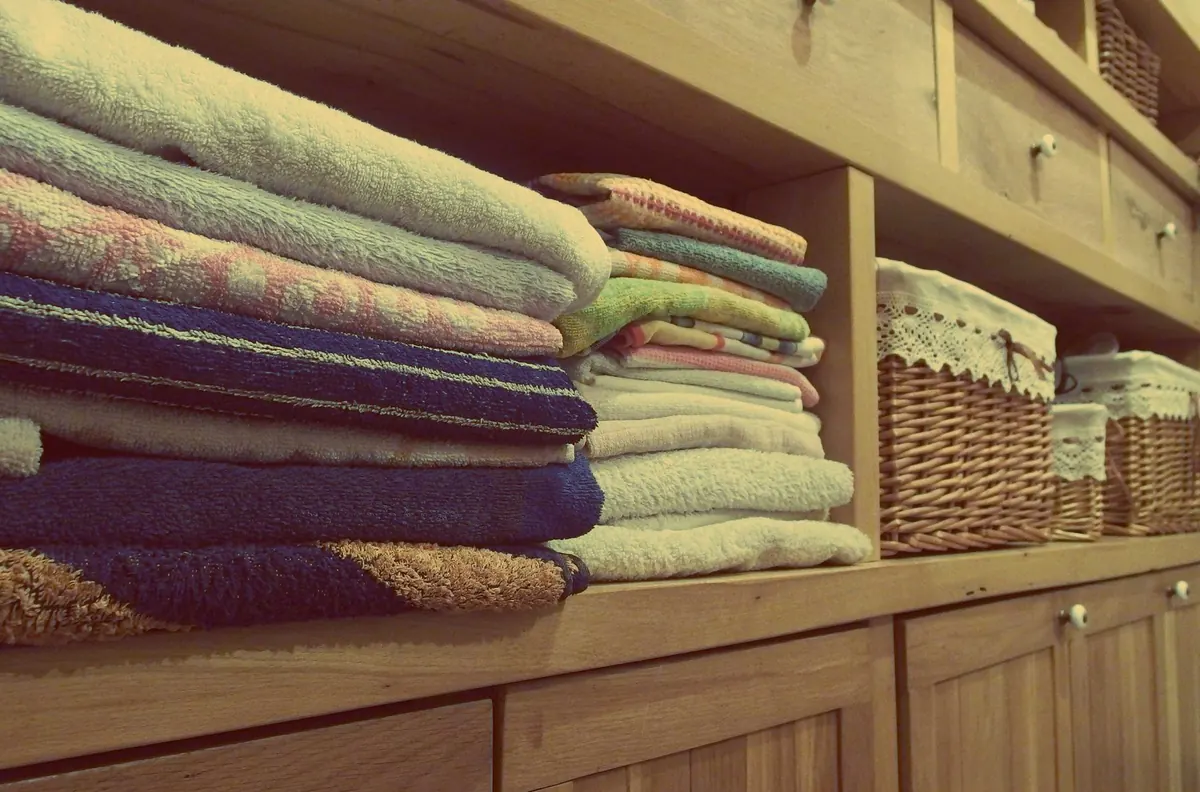
Autumn is also the time to think about storage. As you bring out warmer bedding, wash and fold the summer linen properly. Store it in a breathable cotton bag or a pillowcase, not a plastic bin liner. Linen needs air, even when it is resting.
Winter: When Linen Needs a Companion
By January and February, linen alone can feel like a mistake. It is not that the fabric is cold; it is that it conducts heat away from the body when the air is damp and the house is cool. The answer is not to banish it but to pair it. A linen sheet under a flannel or brushed cotton duvet cover is a classic British compromise. A linen duvet cover over a wool blanket works well if you sleep warm. Linen curtains lined with cotton or thermal fabric will keep more heat in than you might think.
At the table, linen placemats and napkins still work, especially in darker colours that hide the odd splash of gravy. In the bathroom, linen hand towels dry faster than thick terry, but they need a warm radiator or a well-ventilated room. If your bathroom is cold and damp, rotate two or three linen towels rather than leaving one to stay permanently soggy.
Winter is also the season to appreciate linen's crispness. A freshly washed and slightly rough linen pillowcase can feel bracing in the best way, especially after a hot bath. And when the grey stretch finally breaks, the first sunny morning will make you glad you kept it.
How to Rotate Linen Through a British Year
- Start with a core set. One set of linen sheets, one duvet cover, four napkins and one throw will cover most of the year. Add a second set of sheets if you can, so you are never washing and drying in a panic.
- Have one lightweight and one heavyweight option. A fine linen sheet for summer and a heavier, stonewashed linen for spring and autumn. The difference in weight matters more than the colour.
- Store by season, not by item. Keep summer linen together and winter linen together. That way you are not hunting through cupboards when the weather changes.
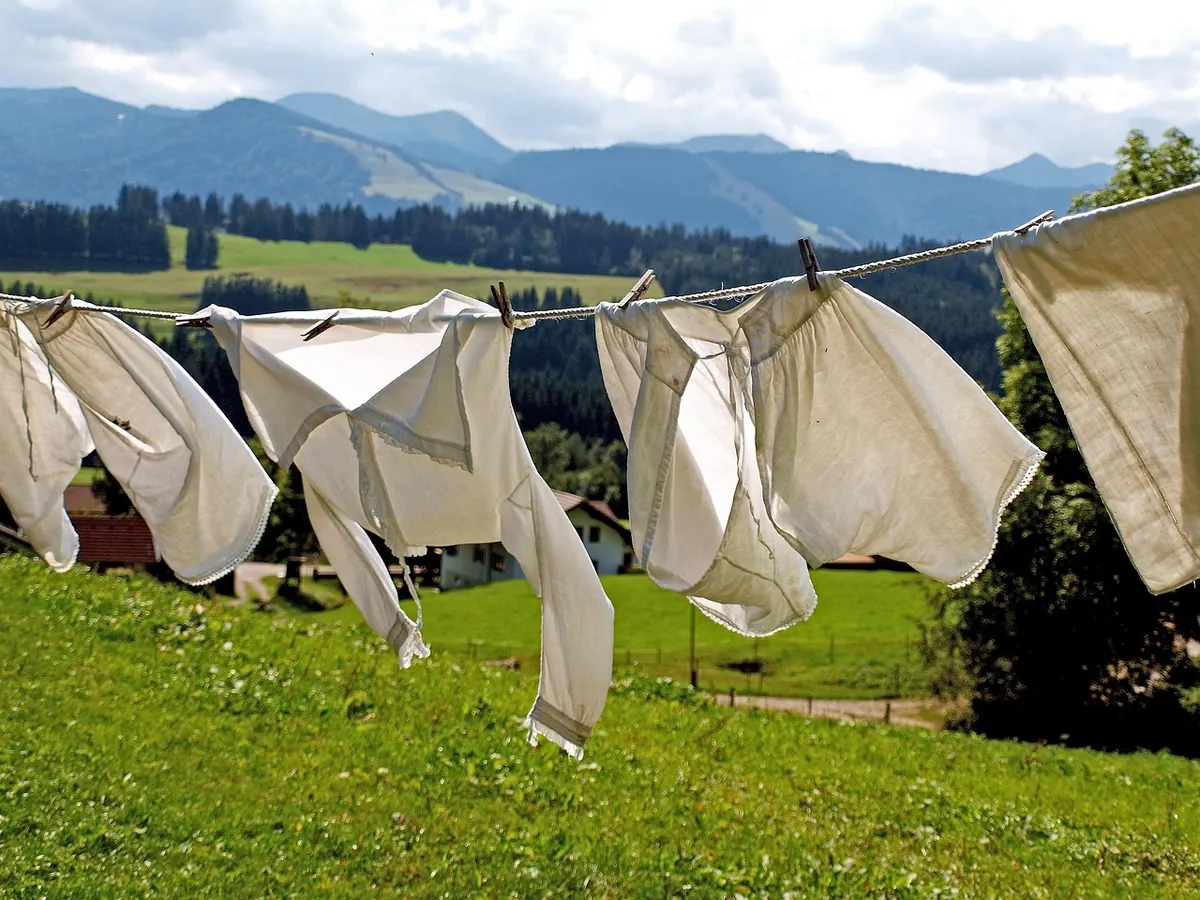
- Wash less, air more. Linen does not need to be washed after every use. Airing it on a line or over a chair for a few hours will refresh it more often than not.
- Keep a damp-weather plan. In a British winter, drying indoors can take days. A heated airer, a dehumidifier or a quick tumble on low heat will stop linen from turning musty.
The British Weather Caveat: Humidity, Drying and Storage
Linen is naturally resistant to mildew, but it is not immune to a damp cupboard. The biggest mistake people make is putting it away even slightly damp because it feels dry to the touch. Leave it on the line or airer for an extra hour, then press it lightly or fold it while it is still just warm. Store it somewhere with moving air. Avoid plastic boxes and vacuum bags for long-term storage; they trap moisture and can leave a smell that takes several washes to shift.
If you live in an old house with solid walls, keep linen away from cold exterior walls. A cotton pillowcase or a linen bag inside a wooden chest is better than direct contact with a damp surface. In summer, a short spell in bright sunlight will freshen linen and help with any lingering odours, but do not leave it out for days on end or the fibres will weaken.
A Simple Seasonal Linen Calendar
- March to May: Bring out medium-weight sheets and table linens. Wash and air anything stored over winter. Keep a wool throw nearby.
- June to August: Switch to lightweight sheets and low-tog duvets. Use linen napkins, runners and throws. Dry outside whenever possible.
- September to November: Layer linen with brushed cotton or wool. Move to deeper colours on the table. Wash and store summer linen properly.
- December to February: Use linen as a base layer under warmer bedding. Keep hand towels rotating. Check stored linen for damp and air it on dry days.
Linen is not asking you to change your whole house. It is asking you to change the sheet, the napkin, the throw — and to notice what the weather is doing.
That is really the whole guide. A British home does not need a separate linen collection for every month. It needs a few good pieces, a bit of rotation, and a willingness to let the cloth crease. Do that, and linen will feel less like a seasonal gamble and more like the most practical thing in the airing cupboard.
Photo: AberrantRealities / Pixabay