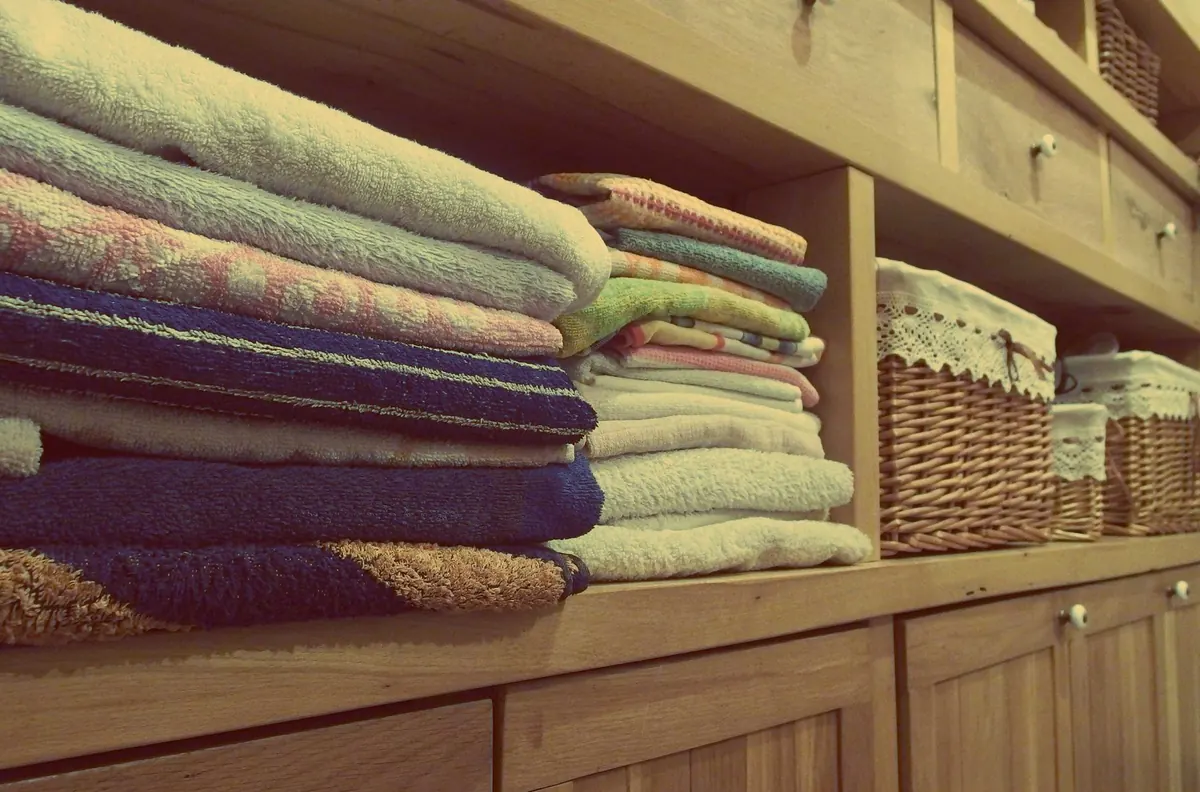
How to Store Linen Bedding and Clothing for Winter
Linen is happiest in use. Folded away for a whole winter, it can pick up creases that seem set in stone, a faint cupboard smell that no amount of spraying shifts, and occasionally a small hole where something has been nibbling. None of that is inevitable. An hour of care in autumn pays you back in spring, when you pull out a duvet cover that smells of nothing in particular and softens the moment it touches the bed.
Wash it properly before it goes away
Storing linen “roughly clean” is the single most common mistake. Skin oils, deodorant, food splashes and the invisible residue of a summer’s use are exactly what moths, carpet beetles and silverfish come looking for. Leave them for six months in a dark cupboard and they can also set into a faint yellow shadow that no later wash will lift.
So wash everything first — bedding, table linen, shirts, summer trousers, even the cushion covers you swap out. A 30°C or 40°C cycle with a gentle, non-biological detergent is plenty for most linen. Skip fabric softener: it coats the fibre, reduces absorbency and leaves a waxy film that dulls the natural sheen over time. For whites and pale naturals, an oxygen-based bleach is kinder than chlorine, which can weaken linen if used repeatedly.
Drying matters as much as washing. A garment or sheet that feels dry but is still cool and slightly damp in the seams will encourage mould in storage. Line dry where you can, or tumble on low heat and take linen out while it is barely damp — then give it a final airing indoors before folding.
Choose containers that breathe
Linen is a plant fibre and it behaves like one: it needs air moving around it. Sealed plastic boxes and vacuum bags feel satisfyingly organised, but they trap any residual moisture and hold it against the cloth for months. Vacuum bags also press sharp, stubborn creases into linen that can be genuinely difficult to press out later.
Better options, roughly in order of preference:
- Cotton or linen drawstring bags, one per set or garment group
- Plain pillowcases, which are ideal for holding a folded bed set
- Cardboard boxes, which breathe and absorb a little humidity
- Wicker or rattan baskets lined with a clean cotton sheet
- Acid-free tissue for heirloom pieces, layered between folds
If you do use a plastic crate — useful in a garage or a room with pets — make sure the contents are bone dry, line the base with cotton, and leave the lid resting on rather than clipped shut. Keep everything out of direct light, which fades linen faster than most people expect.
Find a cool, dark, dry spot
Steady conditions beat clever storage. A spare-room wardrobe, an under-bed drawer or a well-ventilated cupboard is ideal. Lofts and garages swing between heat and frost, cellars and bathrooms add damp, and the airing cupboard is better suited to towels than to linen you care about — long spells of warmth can yellow whites.
Avoid pushing storage boxes flat against outside walls, and leave a few centimetres of space around each box so air can move. Never stack anything heavy directly on top of folded linen; the pressure marks can become permanent.
Keep moths and other nibblers out
Linen itself is less appetising to clothes moths than wool or silk, but store it beside a wool blanket or in a warm, dark wardrobe and it can still be damaged. Prevention is mostly housekeeping rather than chemical warfare.
- Vacuum the cupboard thoroughly, including the corners and the gap behind the wardrobe, before anything goes in.
- Store only clean, dry items — this removes the main attraction.
- Add cedar blocks or rings, or cotton bags of dried lavender. They will not kill an active infestation, but they deter, and they smell better than mothballs. Sand cedar lightly each season to refresh it.
- Don’t overfill. Packed, airless wardrobes are where problems start.
- Check everything every couple of months. Shake items out and refold along different lines, which also helps stop creases setting.
If you find larvae, webbing or small irregular holes, isolate the affected pieces immediately. A hot wash will deal with most eggs on washable linen; for items that cannot be washed, sealing them in a bag and freezing them for several days is a common household measure. If the problem has spread through a wardrobe, it is worth speaking to a pest control professional rather than fighting it piece by piece.
Fold and hang with a bit of thought
Bed linen stores best as sets: fold the flat sheet and pillowcases inside the matching duvet cover so you are not hunting through three boxes in March. Keep heavier items at the bottom of the pile and lighter ones on top.
For clothing, hang linen shirts, dresses and jackets on wide wooden or padded hangers, which support the shoulders without stretching the seams. Fold trousers and knitwear instead, and give anything delicate a cotton garment bag rather than a plastic one — including the dry-cleaner’s film, which should come off as soon as you get home. Smaller pieces such as napkins and tea towels can be rolled rather than folded, which saves space and leaves fewer hard creases.
Waking it up again
On the first dry, breezy day of spring, take everything out and shake it properly. Hang linen in the shade for a few hours; strong direct sun fades colour and weakens fibres over time, but moving air is what removes that flat, shut-in smell.
If a piece still smells stale, wash it again rather than spraying it. Linen holds scent in the fibre, and a splash of white vinegar in the rinse cycle helps shift lingering odours. Yellowed whites usually respond to an oxygen-based soak.
To press linen, iron it while slightly damp — either straight off the line or misted with water — and use steam for anything heavily creased. Press dark colours on the reverse to avoid a shine. Fold marks that have settled over winter often fall out within an hour of hanging in a steamy bathroom. And expect the first night to feel crisper than you remember: linen softens with every wash and wear, which is exactly why it lasts.
A quick checklist for the change of season
- Wash everything, dry it completely, skip the softener
- Vacuum the cupboard and let it air
- Use cotton bags, pillowcases or cardboard, not sealed plastic
- Store cool, dark and dry, with space around each box
- Add cedar or lavender, and check everything every couple of months
- Airing, re-washing and steam are your spring revival tools
Do this once a year and your linen will come out of storage in the same condition it went in — which, if you have cared for it well, is better than the day you bought it.
Photo: Pixabay / Pexels